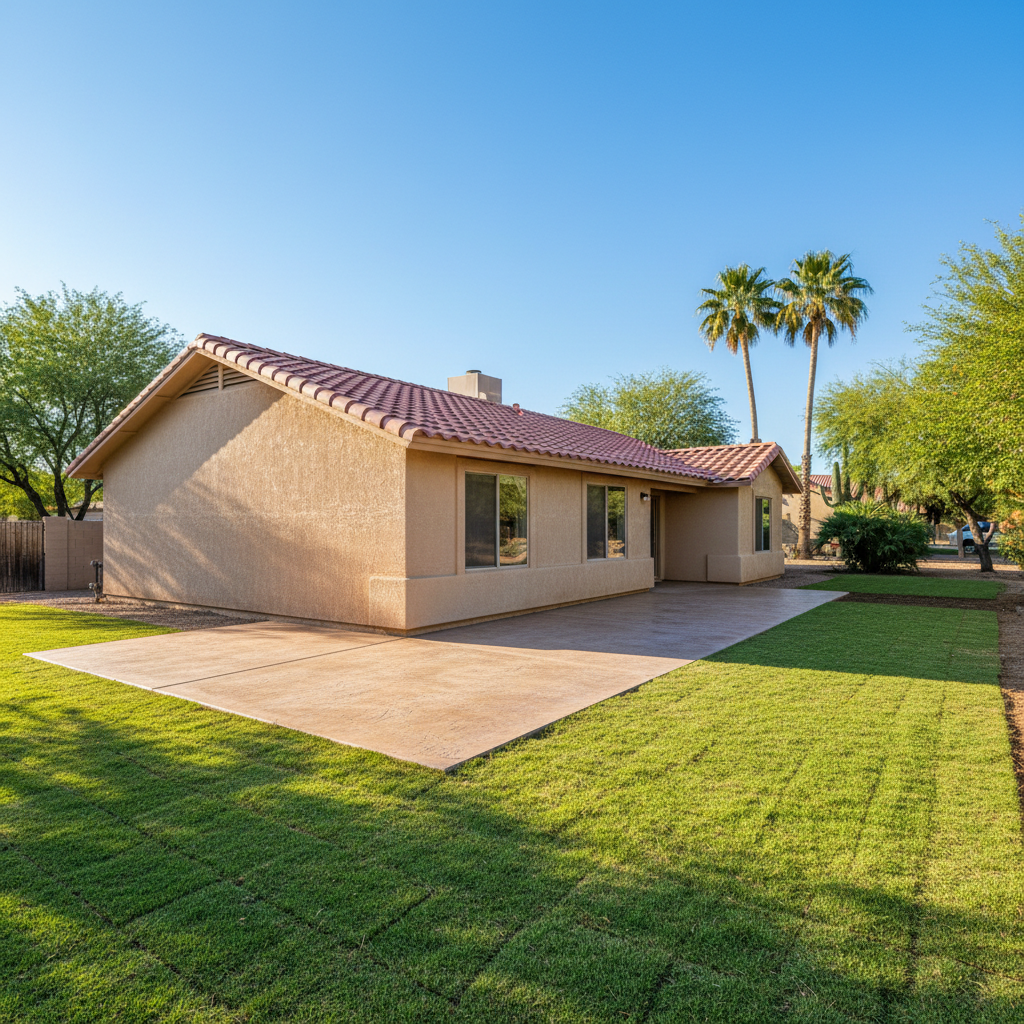
Water standing in your living room changes your entire week in about ten seconds flat. Out here in Apache Junction, heavy monsoon downpours can turn a dry desert wash into a rushing torrent that pushes water right under your doors, or an old pipe can let go while you are out running errands near Prospector's Park. Either way, once the initial shock wears off, you are staring down a major property restoration project.
Beacon Restoration sees many homes out here built on expansive clay or caliche soils, which means drainage does not always behave the way you would want during a heavy storm. When water gets inside, it does not just sit there—it wicks up drywall and gets trapped under baseboards faster than most people realize. Here is how you actually plan and manage a Water Damage Restoration project from start to finish without losing your mind.
The Restoration Timeline: What Days Look Like
People always want to know how long the disruption is going to last. Every house is different depending on how much water came in, but a typical residential flood cleanup follows a standard rhythm.
- Days 1 through 3: Extraction, demolition of unsalvageable materials like soaked drywall and carpet pads, and getting heavy-duty air movers and commercial dehumidifiers locked in. You will hear a lot of hum and buzz during this phase.
- Days 4 through 7: Drying monitoring. We check moisture meters daily until the framing and subfloors hit standard dry levels. This is not a step you can rush, especially with our dry desert air playing tricks on surface moisture.
- Days 8 and beyond: Reconstruction. This is where things start getting put back together, from hanging new drywall to laying fresh flooring and painting.
How to Prepare Your Home and Family
You cannot just step out of the way and let crews work without a little prep. First off, get any valuables, family photos, and electronics up off the floor and out of the affected zones immediately. If the power has been compromised by rising water, keep everyone away from the breaker panel until an electrician or your restoration crew clears it.
You will also want to set up a clean staging area in an unaffected part of the house. If your kitchen is torn apart, box up your coffee maker and daily essentials and move them to a bedroom or the patio table. Beacon Restoration tries to keep your dust and debris contained to the work zones, but sealing off living spaces helps keep your sanity intact while the fans run night and day.
Important Questions Before Signing a Contract
Do not just hire the first contractor who knocks on your door after a storm rolls through town. Protect yourself by asking the right questions before you sign any authorization forms.
Are you licensed and insured specifically for residential restoration in Arizona? Make sure they are not just handymen dabbling in water damage. Ask how they handle insurance claims—do they work directly with your adjuster, or are you stuck acting as the middleman? Find out if they perform daily moisture logs. If a contractor cannot prove to you that the building materials are actually drying out day by day, walk away. Finally, get a clear scope of work that details what is being torn out and exactly what materials are going back in.
Tackling a flood project is stressful, but knowing the milestones and asking tough questions keeps you in control. Take a breath, make a plan, and get your home back to normal.